
Think about the last time the house felt exactly right. Maybe it was a winter evening with a crackling hearth and the wind howling outside, or a summer morning when the grass was green, the shower ran hot, and nothing needed fixing. Those moments rarely happen by accident. They are the product of systems, surfaces, and outdoor spaces that have been planned, built, and cared for with real skill.
Getting there involves both the obvious upgrades and the hidden ones. The shell has to keep weather out, the pipes and tanks have to deliver without fuss, and the yard has to look good without demanding every free weekend. The ten sections below cover where those pieces most often fall short and how experienced professionals bring them back into balance.
Overflowing Eaves and the Damage They Leave Behind

Drainage channels at the edge of the eaves handle an enormous volume of water. A single inch of rainfall on an average house produces well over a thousand gallons of runoff. When those channels clog with leaves, sag from loose hangers, or leak at seams, water spills over the edge and lands right next to the foundation. Over time, that saturated soil leads to basement leaks, cracked slabs, eroded planting beds, rotted fascia boards, and peeling paint on siding and trim.
A properly sized rain gutter system prevents those problems by collecting runoff and directing it safely away. Seamless aluminum K-style channels formed on site in 5 or 6 inch widths eliminate most leak-prone joints, while hidden hangers spaced every 24 inches resist sagging under heavy loads of water, leaves, and ice. Each run is pitched toward its outlet, and oversized 3×4 inch downspouts move water quickly during intense storms. Extensions, splash blocks, or buried drain lines carry discharge several feet from the foundation. Micro-mesh guards reduce cleaning needs, and copper or steel options suit historic properties and high-snow regions.
A New Shingle System Built to Last Decades
When asphalt shingles reach the end of their useful life, patching only delays the inevitable. Widespread granule loss, curled or cracked tabs, soft spots in the decking, and recurring leaks after every storm signal that the entire system needs attention. Attics with poor ventilation trap heat and moisture that accelerate aging from below, while ice dams in colder climates push water beneath the lower courses.
A quality roof install starts with a complete tear-off down to the decking so damaged sheathing can be found and replaced. Crews apply ice and water shield along eaves, valleys, and around penetrations, then cover the rest of the deck with synthetic underlayment. New drip edge, starter strips, and architectural shingles follow, each fastened in the manufacturer’s nailing zone with four to six nails depending on wind exposure. Step flashing and counterflashing seal every wall and masonry intersection, and balanced ridge and soffit ventilation keeps the attic cool and dry. Impact-resistant Class 4 shingles add hail protection and can lower insurance premiums in some areas.
Tight Seals and Efficient Glass for Quieter Rooms
Aging glazed openings account for a significant share of heat loss in winter and heat gain in summer. Single-pane glass, failed seals that fog between panes, rotted wood sashes, and worn weatherstripping all let conditioned air escape and outside noise pour in. Hardware that sticks or no longer locks properly also creates security concerns, and fading furniture near the glass points to unfiltered UV exposure.
An experienced window installer improves comfort, efficiency, and appearance in a single project. Modern units feature double or triple panes, low-E coatings, argon or krypton gas fills, and warm-edge spacers that reduce heat transfer and condensation. Owners can compare ENERGY STAR ratings, U-factor, and solar heat gain coefficient to choose the right product for their climate. Depending on the condition of existing frames, crews use insert or full-frame methods, flash each opening with self-adhered membranes, and seal gaps with low-expansion foam. Vinyl, fiberglass, wood, and clad-wood frames each offer distinct balances of cost, durability, and style, while laminated glass adds sound dampening for rooms facing busy roads.
The Warm Glow of a Hearth on Cold Nights

Few features add as much character and comfort to a living room as an open flame. Yet many older hearths sit unused because they are drafty, smoky, or inefficient. Traditional masonry openings can send most of their heat straight up the flue, pulling warm air out of the room in the process. Cracked firebox bricks, damaged dampers, and missing caps add safety concerns.
Modern fireplaces solve these issues with a range of efficient options. Wood-burning inserts with EPA-certified combustion systems burn cleaner and deliver far more heat than an open hearth, while direct-vent gas units draw combustion air from outside and vent exhaust through a sealed system for safe, high-efficiency warmth at the push of a button. Electric models offer realistic flame effects with zero venting requirements. Proper setup includes a stainless steel liner sized to the appliance, clearances to combustibles that meet code, a carbon monoxide detector nearby, and an annual inspection and sweep. Stone, tile, or reclaimed wood surrounds and a custom mantel complete the focal point.
Healthy Canopies That Shade and Protect the Yard
Mature shade specimens lower cooling costs, increase property value, and provide habitat for birds and wildlife. Without regular care, though, they can become liabilities. Dead and crossing branches invite decay, dense crowns catch wind during storms, and limbs grow over the house, rubbing shingles and dropping debris into drainage channels. Pests and diseases can weaken specimens quietly before obvious symptoms appear.
Professional tree services combine pruning, plant health care, and hazard assessment to keep canopies strong. Arborists follow ANSI A300 standards, making clean cuts just outside the branch collar and avoiding harmful practices like topping. Crown thinning improves airflow and light, crown raising lifts limbs away from walkways and the house, and reduction cuts shorten long limbs back to strong laterals. Cabling and bracing support weak unions, deep-root feeding addresses nutrient deficiencies, and targeted treatments manage borers and other pests. When a specimen is too damaged to save, crews take it down safely with rigging and grind the stump below grade.
Turning a Plain Yard Into an Inviting Retreat
Many yards consist of little more than turf and a few foundation shrubs. They may be tidy, but they offer little privacy, shade, or reason to linger. Without a cohesive plan, owners often add pieces over the years, a patio here and a flower bed there, resulting in a space that feels disjointed and never quite works for entertaining or relaxing.
Professional landscape design services start with a site analysis that maps sun and shade patterns, drainage, soil conditions, existing vegetation, and views worth framing or screening. Designers then create scaled plans that divide the yard into functional zones for dining, lounging, play, and gardening, connected by pathways that follow natural traffic patterns. Plant palettes emphasize native and adapted species suited to the hardiness zone, layered for year-round color and texture. Hardscape elements like paver patios, seat walls, pergolas, fire pits, and outdoor kitchens are positioned to complement the architecture of the house. Detailed drawings and plant schedules allow the project to be built in phases as budgets allow.
Automated Irrigation for Greener, Healthier Turf

Hand-watering with hoses rarely delivers consistent results. Some areas get soaked while others dry out, water runs off slopes and hardscapes, and evening watering encourages fungal disease. Busy households often forget to water during heat waves, leaving the grass brown and stressed by midsummer.
A professional sprinkler installation delivers the right amount of water to every zone with minimal waste. Designers divide the yard into zones based on plant type, sun exposure, and soil, then select rotors for large turf areas, spray heads for smaller spaces, and drip lines for beds and shrubs. Matched precipitation rates ensure even coverage, and pressure-regulated heads reduce misting. Crews trench lines with minimal disruption to existing turf, add a backflow preventer required by code, and connect the system to a smart controller that adjusts schedules based on local weather data and soil moisture sensors. Rain and freeze sensors prevent watering when it is not needed, often cutting usage significantly.
Burst Lines, Running Toilets, and Other Daily Headaches
Problems with pipes and fixtures tend to show up at the worst possible moments. A frozen line bursts during a cold snap, a toilet runs all night and wastes hundreds of gallons, or a slow drain finally stops completely the morning guests arrive. Hidden leaks under vanities or behind walls can rot subfloors and feed fungal growth long before anyone notices.
A dependable plumber diagnoses and resolves these problems quickly and correctly. Technicians replace worn flappers, fill valves, and cartridges, clear drains with augers or hydro-jetting, and use video camera inspections to identify root intrusion and breaks in sewer lines. Acoustic and thermal leak detection pinpoints hidden leaks without opening entire walls, and frozen or burst lines can be replaced with freeze-resistant PEX. Upgrades like quarter-turn shutoff valves, braided stainless supply lines, a pressure-reducing valve set between 50 and 70 psi, and smart leak detectors with automatic shutoff protect the entire system from future failures.
Getting Hot Showers Back When a Tank Quits
A storage tank usually gives warning signs before it fails completely. Lukewarm output that runs out quickly may mean a burned-out lower element or a broken dip tube, while popping and rumbling sounds point to sediment buildup insulating the burner or element. Gas units can lose their pilot due to a faulty thermocouple, and dripping from the relief valve suggests excessive pressure or temperature inside the tank.
Prompt water heater repair restores reliable hot supply and extends the life of the equipment. On electric models, technicians test and replace heating elements and thermostats, while gas models may need a new thermocouple, flame sensor, gas control valve, or igniter. Flushing sediment through the drain valve restores efficiency, replacing a depleted anode rod slows corrosion, and swapping a faulty temperature and pressure relief valve restores a critical safety feature. An expansion tank on closed systems prevents pressure spikes, and setting the thermostat to 120 degrees balances comfort with scald prevention. If corrosion has already breached the tank, technicians can recommend properly sized tank, tankless, or heat pump options.
Refreshing Dated Rooms With One Trusted Team
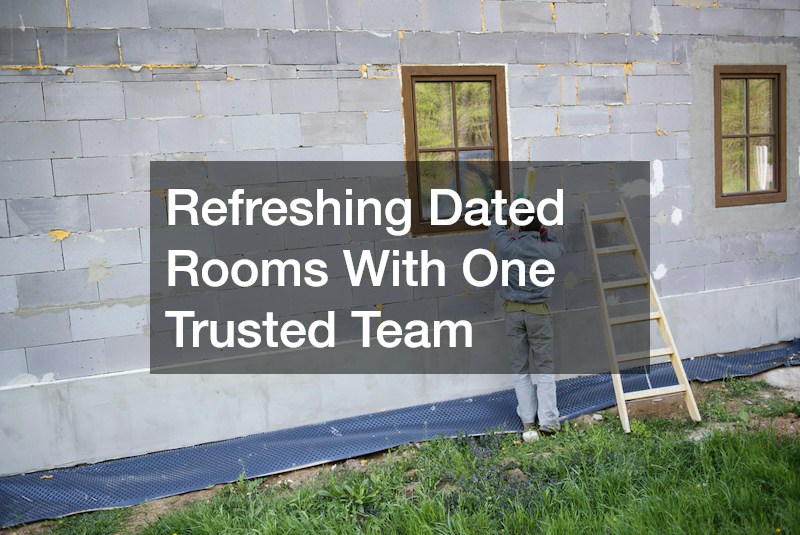
Rooms that felt modern twenty years ago often look tired today. Oak cabinets, laminate counters, brass fixtures, and beige tile date a house instantly, while cramped layouts and poor lighting make daily routines harder than they need to be. Coordinating separate trades for demolition, framing, electrical, tile, and paint can stretch a project for months and create costly mistakes.
A trusted local remodeling company keeps the entire project under one contract and one point of contact. The team handles design, permits, scheduling, and inspections, and it relies on established relationships with nearby suppliers and subcontractors who show up when promised. Firms rooted in the area understand regional building codes, HOA requirements, and the construction styles common in surrounding neighborhoods. Popular projects include opening walls between the cooking and family areas with engineered beams, updating wet rooms with curbless showers and heated floors, finishing basements, and adding mudrooms with built-in storage. A detailed contract with clear allowances, payment milestones, and a written warranty protects the investment.
Comfort, beauty, and protection all depend on the same thing: quality work in every part of the property. A tight shell and steady drainage keep water out, efficient glazing and a well-designed hearth keep rooms cozy, and reliable pipes and tanks keep daily routines on track. Outdoors, healthy canopies, smart irrigation, and a thoughtful plan turn the yard into an extension of the living space.
Prioritizing helps each dollar go further. Projects that protect the structure, such as drainage and the shingle system, should come first, followed by efficiency upgrades that lower monthly bills. Lifestyle improvements like a new hearth, interior updates, and a redesigned yard can then be scheduled around budgets and seasons, ideally with multiple estimates and verified credentials.
Season by season, the payoff becomes clear. Winter nights by the fire feel warmer, spring rains drain away without a trace, summer grass stays green without hours of hand-watering, and fall arrives with the house ready for whatever comes next. That steady, everyday comfort is what makes a property feel like home.