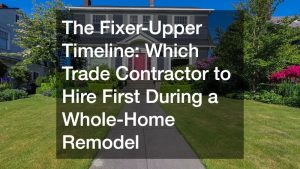
Homeownership remains one of the most significant financial investments a person will make in their lifetime. Every project undertaken on a property has the potential to either increase market value or simply consume capital without generating a financial return. When contemplating home improvements, property owners often find themselves choosing between interior comfort and exterior appearance. Finding the ideal balance between these two areas requires a clear understanding of return on investment, frequently abbreviated as ROI.
ROI in residential real estate measures how much equity a project adds relative to its cost. While an interior remodel enhances daily living, exterior projects often yield higher percentage returns during a sale. Prospective buyers form opinions within seconds of arriving at a house, meaning the exterior sets the baseline expectation for the property.
To achieve maximum financial return, homeowners must strategically plan updates that protect the structural shell while modernizing core living spaces. Consulting a qualified exterior remodeling contractor can help property owners assess structural priorities before spending money on cosmetic touches. Balancing both domains ensures that property values grow steadily over time while maintaining strong market competitiveness.
First Impressions Count: The Psychology of Curb Appeal
Visual appeal drives real estate transactions more than many sellers realize. The psychological impact of curb appeal begins the moment a potential buyer pulls up to the curb. A well-maintained exterior signals that the property has been cared for diligently over the years, instilling immediate confidence in the buyer. Conversely, neglected siding or an overgrown yard creates immediate skepticism about hidden structural issues.
Real estate appraisers consistently observe that visual presentation heavily influences final purchase offers. Studies show that homes with top-tier curb appeal sell for significantly higher prices compared to similar properties with unkempt exteriors. Enhancing curb appeal does not always require massive financial investments; systematic maintenance and targeted aesthetic improvements yield substantial gains.
Simple exterior fixes create a welcoming environment that encourages buyers to explore the interior with positive expectations. Consistent maintenance of green spaces, such as basic lawn care, keeps the yard looking pristine and indicates routine oversight. When buyers see crisp lawn edges and healthy turf, they assume that unseen mechanical systems have received similar care. This priming translates into faster sales and stronger offers.
Structural Integrity and Water Management Infrastructure
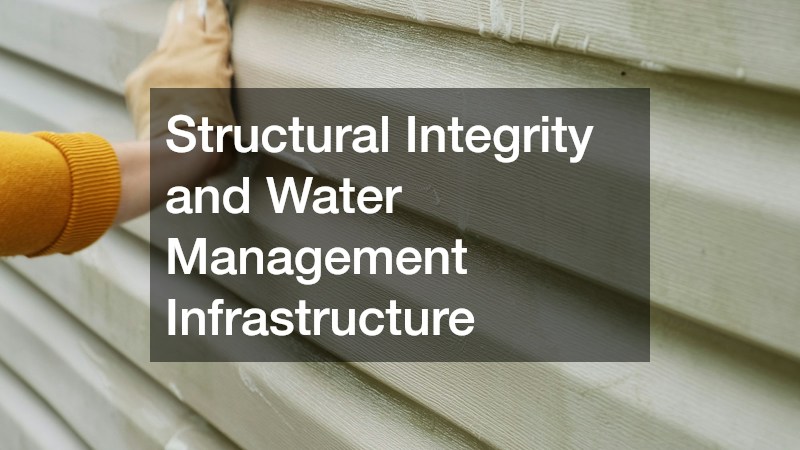
While surface beauty attracts buyers, structural integrity keeps sales from falling apart during home inspections. Water is the single greatest threat to home durability, capable of destroying foundations, causing mold growth, and warping wood frames. Therefore, functional upgrades that divert moisture away from the building envelope offer incredible long-term return on investment by preventing catastrophic damage.
Drainage systems, roof valleys, and perimeter grading represent unglamorous but critical home components. When these components fail, interior living spaces suffer from water intrusion, damp basements, and ruined drywall. Smart homeowners prioritize protective infrastructure updates before undertaking expensive interior renovations. A newly renovated kitchen offers zero return if recurring water leaks ruin the floorboards or destroy custom cabinetry beneath.
Proper maintenance of water management systems safeguards both the interior structure and the surrounding landscape. Scheduling prompt gutter repair prevents heavy rainfall from overflowing, pooling around the foundation, or eroding surrounding flowerbeds. Clear, functional channels ensure that roof runoff travels safely away from the house, protecting basement walls from hydrostatic pressure. Investing in water management builds a durable foundation for all subsequent home updates.
Exterior Wall Enclosures and Energy Efficiency
The exterior walls of a home serve as the protective barrier against harsh weather elements while playing a major role in thermal efficiency. Modern buyers pay close attention to heating and cooling expenses, making energy efficiency a central factor in real estate decisions. Upgrading wall cladding, insulation, and protective wraps improves comfort while noticeably dropping monthly utility bills.
Replacing worn exterior cladding offers a rare combination of immediate aesthetic transformation and practical performance. Old, cracked, or rotting materials allow wind, moisture, and pests to penetrate exterior walls, leading to drafty rooms and elevated utility costs. Fresh wall coverings instantly modernize the architectural profile of a home, giving older structures a clean appearance that catches the eye of modern buyers.
Working with an experienced siding company ensures that materials are installed according to precise manufacturer standards and local building codes. Modern fiber cement and insulated vinyl options offer superior durability, fire resistance, and minimal maintenance requirements compared to traditional wood. Homes featuring low-maintenance exterior wall cladding command higher market value and give potential buyers confidence that future maintenance costs will remain low for years.
Welcoming Entrances and Front Porch Value
The front entrance serves as the focal point of a home facade, guiding the eye and welcoming visitors inside. In terms of percentage return on investment, entrance upgrades rank among the highest-yielding exterior renovations available. A fresh, sturdy, and elegant front door creates a powerful focal point that anchors the entire front elevation.
Front doors suffer continuous exposure to direct sunlight, wind, rain, and temperature fluctuations, which can cause paint to peel, wood to warp, and weather stripping to deteriorate. An aging entrance door creates drafts, increases energy costs, and presents a worn appearance to anyone standing on the porch. Upgrading to a modern steel or fiberglass entry door dramatically improves energy efficiency while offering superior security features against unwanted entry.
Hiring a professional entrance door installer guarantees an airtight fit that eliminates drafty gaps and operational sticking. A properly fitted entry door operates smoothly, insulates effectively against thermal loss, and enhances safety. Selecting a bold hardware finish or a striking color palette transforms a simple entrance into a memorable design statement, boosting curb appeal while delivering outstanding financial return when listing the property.
Boundaries and Privacy: Protecting Property Values
Property boundaries do more than mark real estate lines; they define outdoor living spaces and provide essential security and privacy. Fences protect pets, safeguard young children, and block unwanted views of neighboring properties or busy roadways. A well-maintained boundary enclosure enhances the overall symmetry and appeal of the yard, framing the home within a clean perimeter.
However, weather exposure and soil moisture take a steady toll on fencing materials. Wooden posts rot, iron rusts, and vinyl panels can crack under extreme temperature variations or strong wind gusts. A sagging or missing fence panel creates an immediate visual defect that distracts buyers and reduces the perceived security of the entire property. Addressing structural defects promptly prevents minor damage from spreading down the entire fence line.
Executing timely fence repairs restores structural stability, sharpens property lines, and preserves outdoor security without requiring complete fence replacement. Whether resetting loose posts, replacing damaged pickets, or applying fresh protective stain, keeping boundary structures in prime condition reinforces the overall quality of the property. Buyers appreciate move-in ready yards that require no immediate maintenance work.
Expanding Functional Outdoor Living Areas
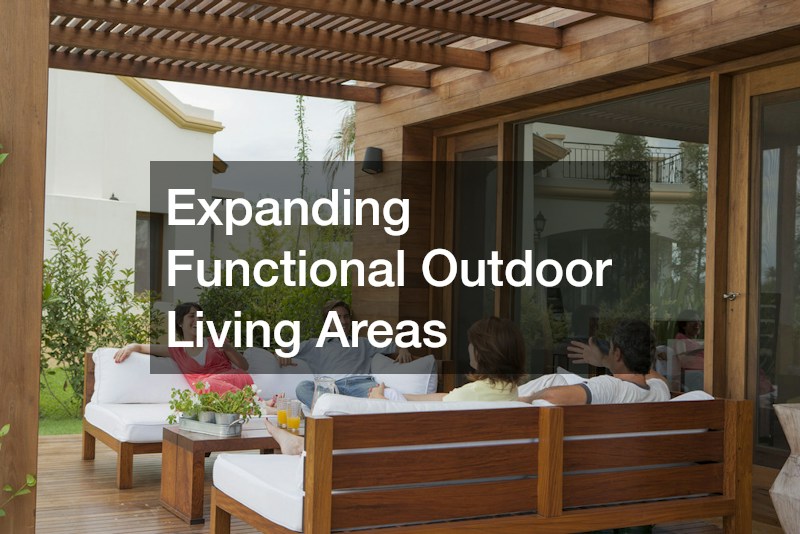
Modern home buyers increasingly treat outdoor yards as natural extensions of the interior floor plan. Functional outdoor living spaces allow homeowners to host gatherings, dine outdoors, and relax without being confined to indoor rooms. Creating designated outdoor entertainment zones adds usable space to the property, which significantly boosts market desirability and overall appraisal value.
Decks and elevated platforms serve as central hubs for outdoor lifestyle activities. A well-designed outdoor deck creates a seamless transition between indoor living areas and the surrounding yard. When constructing outdoor living features, material selection plays a crucial role in long-term ROI. While natural wood offers traditional warmth, modern composite materials provide long-lasting durability without requiring regular staining or sealing.
Partnering with a skilled deck builder ensures that structural footings, railing heights, and load capacities meet strict municipal safety standards. A properly constructed deck provides safe elevated living space that holds up against changing seasons. Potential buyers view functional, durable outdoor entertaining spaces as valuable premium upgrades, making deck construction one of the most popular outdoor projects for maximizing home value.
Professional Landscaping and Greenery Integration
Beyond lawn maintenance, comprehensive softscaping and hardscaping designs transform bare yards into attractive, harmonious residential environments. Strategic vegetation placement provides natural shade during hot summer months, blocks cold winter winds, and frames architectural features of the house. Thoughtful landscaping combines colors, textures, and heights to create year-round visual interest that enhances architectural style.
Effective outdoor plans balance native perennial plants with structured hardscape elements like stone pathways, retaining walls, and decorative garden beds. Native plants require less water, minimal fertilizer, and less ongoing maintenance, appealing to eco-conscious buyers looking for low-maintenance properties. Well-planned garden layouts also aid soil retention, managing water runoff while keeping soil stable around driveway edges and house foundations.
Investing in tailored landscape designs ensures that plant species, root structures, and growth patterns fit the specific scale of the property. Professional planning prevents trees from being planted too close to foundation walls or utility lines, avoiding future structural hazards. Thoughtfully designed yards create striking visual harmony between nature and architecture, leaving a lasting positive impression on buyers and neighbors alike.
High-Yield Interior Upgrades: Kitchens and Bathrooms
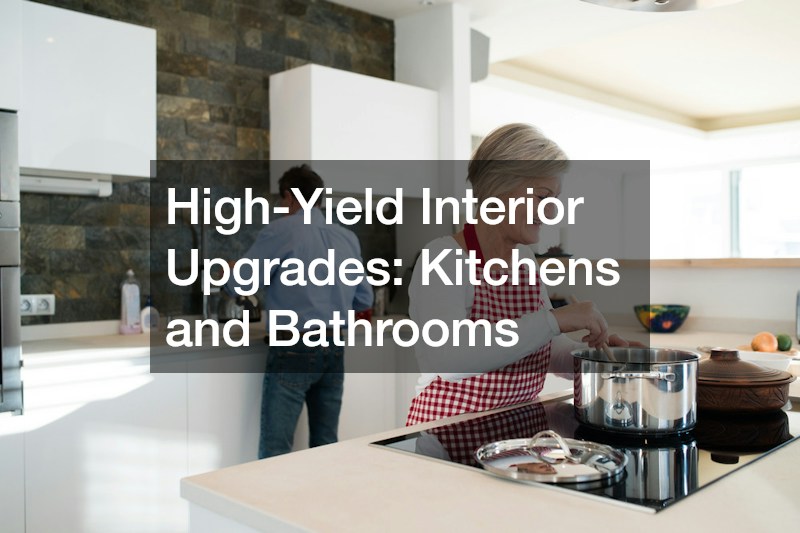
While exterior upgrades draw prospective buyers to the house, interior features close the deal. Among all interior spaces, kitchens and bathrooms consistently deliver the highest return on investment. These functional areas undergo heavy daily use, making wear and tear obvious to prospective buyers. Modernizing fixtures, surface finishes, and storage solutions in these core areas drastically improves daily comfort and resale appeal.
Bathroom renovations, in particular, offer exceptional cost recovery during home sales. Outdated tile, discolored fixtures, and inadequate lighting can make a home feel neglected. Replacing old vanities, installing low-flow plumbing fixtures, and updating tile surrounds transform a tired bathroom into a clean, modern sanctuary. Paying close attention to water insulation and ventilation prevents moisture build-up that damages surrounding wallboards.
Collaborating with a licensed bath remodeler ensures that plumbing lines, waterproofing membranes, and structural floor supports are properly integrated. Experienced specialists help select durable non-porous surfaces that resist staining and mold, maintaining long-term aesthetic value. A tastefully updated bathroom signals quality construction and offers buyers the turnkey convenience they are willing to pay a premium for.
Vital Mechanical and Infrastructure Upgrades
Behind pristine drywall and fresh paint lies the functional mechanical heart of the home. Electrical, plumbing, and HVAC systems serve as the invisible backbone of modern living. While cosmetic upgrades attract immediate visual attention, outdated electrical panels or aging wiring can halt real estate transactions instantly during buyer inspection phases. Ensuring electrical infrastructure meets current safety codes protects both life and property.
Modern households utilize significantly more power than older structures were designed to handle. From high-capacity kitchen appliances and home automation systems to electric vehicle chargers and central air units, electrical demands keep growing. Outdated fuse boxes, knob-and-tube wiring, or insufficient panel capacity pose severe fire hazards and prevent new appliances from running efficiently. Upgrading electrical capacity modernizes the entire facility.
Hiring a certified electrician ensures that panel upgrades, outlet replacements, and wiring runs comply with national electrical standards. Updating outlets with Ground Fault Circuit Interrupters in moisture-heavy zones like kitchens and bathrooms protects residents from electrical shock. A fully modernized, safe electrical system gives potential buyers total peace of mind, eliminating concerns over costly immediate code corrections after closing.
Crafting a Balanced Home Improvement Strategy
Maximizing home value requires a holistic strategy that balances structural necessity, exterior curb appeal, and interior functionality. Homeowners who focus exclusively on one area while neglecting others risk compromising their overall financial return. A home with a chef-grade kitchen will lose potential buyers if the exterior siding is deteriorating, just as a house with perfect curb appeal will fall short if the interior plumbing systems are failing.
To create an effective master plan, property owners should first address urgent structural, moisture, and safety concerns. Fixing roof leaks, repairing foundation issues, and upgrading outdated electrical panels take precedence over purely cosmetic enhancements. Once the structural shell and mechanical systems are secure, attention can shift toward high-impact exterior enhancements like fresh entry doors, clean siding, functional decks, and manicured yards.
Finally, interior cosmetic updates can be executed to complement the improved exterior aesthetic. By prioritizing projects through a clear ROI framework, homeowners protect their investments, enjoy enhanced daily comfort, and ensure maximum equity gains when the time comes to sell. Strategic home improvement is not about spending the most money; it is about allocating capital where it creates lasting value.