
Create a Backyard You’ll Love From Day One
A beautiful backyard doesn’t happen by accident—it’s the result of thoughtful planning, smart choices, and consistent care. Whether you’re starting with a blank slate or trying to improve an underwhelming outdoor space, the process can feel overwhelming at first. The good news is that you don’t need to be an expert to create a backyard that looks great and functions well. With the right approach, even beginners can design a space that feels inviting, practical, and tailored to their lifestyle.
Your backyard should reflect how you want to live. Maybe you’re dreaming of a peaceful retreat where you can unwind after a long day, or perhaps you want a lively space for entertaining friends and family. Some homeowners prioritize gardening, while others want low-maintenance simplicity. No matter your goal, the key is to break the process into manageable steps and focus on building a strong foundation.
In this guide, you’ll learn how to plan, design, and maintain an outdoor space that enhances your home and daily life. From layout and plant selection to maintenance and long-term improvements, each step will help you move closer to a backyard you can truly enjoy.
Start With a Clear Backyard Vision and Layout Plan
Every successful outdoor space begins with a clear vision. Before you buy plants or install features, take time to understand what you’re working with and what you want to achieve. Walk through your yard and observe how sunlight moves throughout the day, where water tends to collect, and which areas feel most usable. These details will influence every decision you make moving forward.
Start by dividing your yard into functional zones. For example, you might designate one area for seating, another for planting, and another for recreation. This approach makes even small spaces feel more organized and intentional. When planning your backyard landscaping, think about how people will move through the space. Pathways, open areas, and transitions between zones should feel natural and not cramped.
It’s also important to consider scale. Large features in a small yard can feel overwhelming, while tiny elements in a large space can get lost. Sketching a simple layout—even if it’s just on paper—can help you visualize how everything fits together. Keep your budget in mind and prioritize the elements that matter most to you. Starting with a solid plan will save you time, money, and frustration later on.
Choose the Right Plants for Your Climate and Soil

Plant selection is one of the most exciting parts of designing a backyard, but it’s also where many beginners make mistakes. Choosing plants that don’t match your climate or soil conditions can lead to poor growth and constant frustration. Instead, focus on plants that naturally thrive in your region.
Visit a local nursery to explore options suited to your environment. Staff members can often recommend plants based on your soil type, sunlight levels, and maintenance preferences. Native plants are especially valuable because they tend to require less water and care while supporting local ecosystems.
When selecting plants, think beyond appearance. Consider how large they will grow, how much maintenance they require, and how they will look throughout the seasons. Mixing evergreen plants with seasonal blooms can keep your yard looking vibrant year-round.
Layering is another important concept. Place taller plants toward the back or center of beds, medium-height plants in the middle, and shorter plants along the edges. This creates depth and visual interest. By making thoughtful choices early on, you’ll create a healthier, more sustainable landscape that’s easier to maintain.
Add Privacy and Structure With Smart Boundary Solutions
Defining the edges of your yard is an important step in creating a cohesive outdoor space. A well-designed boundary not only adds privacy but also enhances the overall appearance of your property. Installing a garden fence is one of the most effective ways to achieve both goals.
There are many fencing options to choose from, including wood, vinyl, metal, and composite materials. Each has its own benefits in terms of durability, maintenance, and style. For a natural look, wood fencing blends well with greenery, while metal options can provide a more modern aesthetic.
Beyond privacy, fencing can also help protect your plants and create a sense of enclosure that makes your yard feel more intentional. You can even use fencing as a design element by incorporating climbing plants or decorative panels.
When planning your fence, consider height, placement, and local regulations. A fence that’s too tall may feel restrictive, while one that’s too short might not provide the privacy you need. Taking the time to choose the right solution will help you create a space that feels both secure and welcoming.
Build a Strong Foundation With Proper Grading and Support
A beautiful backyard isn’t just about what you see on the surface—it’s also about what’s happening underneath. Proper grading and structural support are essential for preventing drainage issues, soil erosion, and long-term damage.
If your yard has slopes or uneven terrain, you may need to bring in a retaining wall contractor to create level areas and stabilize the soil. Retaining walls can be both functional and decorative, adding dimension while solving practical problems.
Good drainage is equally important. Water should flow away from your home and not pool in low areas. Poor drainage can damage plants, weaken structures, and create muddy conditions that make your yard less enjoyable.
Investing in a strong foundation ensures that your backyard remains stable and functional over time. While it may not be the most visible part of your project, it’s one of the most important steps in creating a space that lasts.
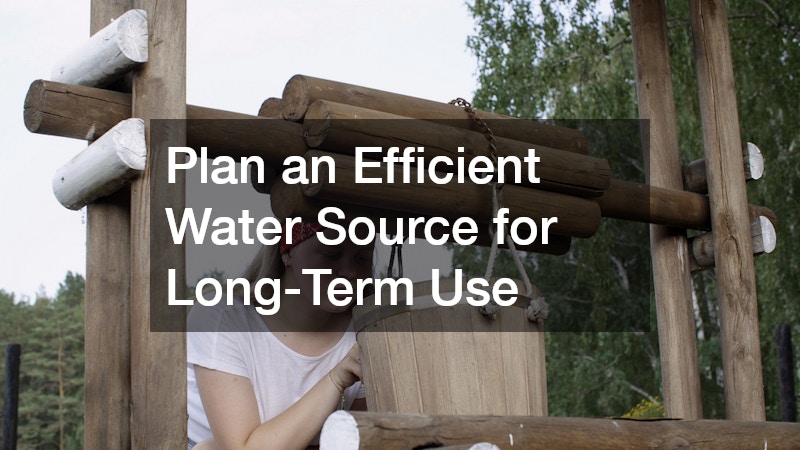
Plan an Efficient Water Source for Long-Term Use
Collaborate With Professionals for Better Results
While many aspects of backyard design can be done on your own, there are times when professional expertise can make a big difference. Hiring a landscape designer can help you turn your ideas into a cohesive and functional plan.
A professional can assess your space with a trained eye, taking into account factors like drainage patterns, soil conditions, sun exposure, and elevation changes. These are details that are easy to overlook but can significantly impact the success of your project. By identifying potential challenges early, they can recommend practical solutions that save you time and money down the line. They can also help you choose materials, plants, and layouts that work well together, ensuring your space feels balanced rather than pieced together. This can be especially valuable if you’re working with a complex space or a larger budget where multiple elements need to come together seamlessly.
When choosing a designer, look for someone with experience in projects similar to yours. Ask for examples of past work and discuss your goals in detail, including how you plan to use the space day-to-day. It’s also helpful to understand their design process, timeline expectations, and how they handle revisions. Clear communication is key to ensuring that the final result matches your vision.
Even if you only use a professional for part of the process—such as initial planning or design consultation—their input can help you avoid costly mistakes and achieve a more polished, well-thought-out outcome.
Keep Your Outdoor Space Healthy With Consistent Care
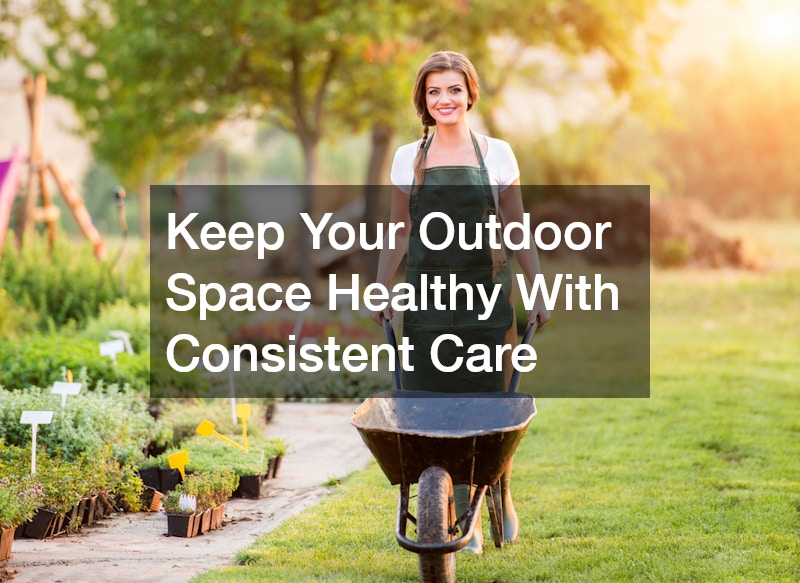
Once your backyard is established, ongoing care is essential to keep it looking its best. Regular upkeep not only improves appearance but also prevents small issues from becoming major problems. Without consistent attention, weeds can spread quickly, soil quality can decline, and plants may struggle to thrive. Staying ahead of these issues ensures your outdoor space remains healthy and visually appealing over time.
Many homeowners choose to work with lawn care services to handle tasks like fertilizing, aeration, and pest control. These services can save time and ensure that your yard receives the proper treatment throughout the year. Professionals can also identify early signs of disease or nutrient deficiencies that may not be obvious to the untrained eye, helping you avoid costly repairs or replacements down the line. Their expertise allows for more precise treatments that promote long-term growth and resilience.
If you prefer a hands-on approach, focus on creating a routine. Consistent watering, mowing, and trimming will keep your yard in good condition. Establishing a schedule—such as mowing weekly during peak growing seasons or adjusting watering based on rainfall—helps maintain balance. Pay attention to seasonal changes, as different times of year require different types of care. For example, spring may call for fertilizing and reseeding, while fall is ideal for cleanup and preparation.
Healthy grass and plants are the foundation of a beautiful backyard. By staying consistent, you’ll create a space that remains vibrant and enjoyable no matter the season.
Maintain a Clean and Inviting Outdoor Environment Year-Round
A well-designed backyard still requires regular attention to stay in top shape. Ongoing lawn maintenance is key to preserving the beauty and functionality of your space. Without a consistent routine, even the most carefully planned yard can quickly become overgrown, patchy, or difficult to manage. Staying on top of maintenance helps protect your investment and keeps your outdoor space looking inviting year-round.
Start with the basics: mowing at the correct height, watering deeply but not too frequently, and removing weeds before they spread. Cutting grass too short can weaken it and make it more vulnerable to heat and pests, while watering too often can lead to shallow root growth. Instead, aim for a balanced approach that encourages strong, deep roots. Weeds should be removed as soon as they appear, since they compete with your grass and plants for nutrients and water.
Investing in the right tools can also make maintenance easier. A quality mower, trimmer, and irrigation system can save time and improve results. Keeping your tools in good condition ensures they perform effectively when you need them. Regularly sharpening mower blades, checking irrigation lines, and storing equipment properly can extend the life of your tools and improve overall efficiency.
It’s also important to monitor your yard for signs of trouble, such as patchy grass, pests, or disease. Addressing these issues early through proper lawn care services can prevent more serious problems down the line. By staying proactive, you’ll maintain a backyard that remains clean, healthy, and enjoyable throughout the year.
Bring Your Backyard Vision to Life Over Time
Creating a beautiful backyard is a journey that evolves with your needs, preferences, and experiences. It’s not about achieving perfection right away, but about building a space that grows with you over time. By focusing on thoughtful planning, smart choices, and consistent care, you can transform even the simplest outdoor area into a place you truly enjoy.
As you move forward, remember that every improvement—no matter how small—adds value to your home and enhances your daily life. Stay flexible, be willing to adapt your plans, and don’t be afraid to experiment with new ideas. With patience and effort, your backyard can become a space that brings comfort, functionality, and lasting satisfaction for years to come.