Rat infestations are a common problem worldwide, causing nuisance and health risks. Local pest control is critical in managing these issues through comprehensive strategies. Communities can greatly reduce rat impacts with an effective pest management approach.
Common Signs of a Rat Infestation
Strange Noises at Night
Strange nighttime noises, including scratching and scurrying, suggest a rat infestation. Rats are nocturnal, becoming active in the dark and nesting within your property.
Early identification is crucial to prevent escalation. Local pest control has the expertise to promptly address these issues.
Evidence of Droppings
Rat droppings, typically near food sources and entry points, signify infestation. Freshness indicates the duration of rat activity. Local pest control experts efficiently identify droppings, allowing quick responses to prevent disease spread and minimize damage.
Gnaw Marks and Damage
Gnaw marks on structures and wires are signs of rats, posing aesthetic and safety risks. Early intervention can prevent extensive repairs. Pest control services can identify early signs and address root causes effectively.
Unusual Pet Behavior
Pets may indicate rats through unusual alertness or interest in specific areas. Working with pest control can confirm suspicions and allow for effective management plans, reducing potential damages and health risks.
Footprints and Rub Marks
Habitual rat paths may show footprints or grease rub marks. Identifying these areas helps set strategic traps or bait. Pest control services specialize in analyzing these signs for effective interventions.
The Health Risks Associated with Rats
Transmission of Diseases
Rats spread diseases such as leptospirosis and rat-bite fever. Immediate pest control interventions are essential to mitigate health risks. Education on safe practices and reducing rat populations are critical for public health safety.
Allergenic Reactions
Rat allergens, such as fur and dander, exacerbate respiratory issues. Pest control experts can advise on removing allergens, helping maintain a healthy living space.
Contamination of Food Supplies
Rats contaminate food sources, posing health hazards. Preventing access to food and proper storage are crucial. Pest control services provide solutions to secure food and maintain safety standards.
Pests and Parasites
Rats can bring secondary pests like fleas, requiring integrated pest management. Local pest control manages both primary rodents and associated pests, ensuring comprehensive solutions.
Impact on Mental Health
Rat infestations can elevate stress and anxiety. Effective pest control measures help reclaim personal spaces and improve mental well-being.
Preventative Measures for Rat Infestations
Sealing Entry Points
Sealing entry points prevents rat invasions. Durable materials like steel wool can reinforce structures. Consulting experts ensures effective prevention strategies.
Proper Waste Management
Proper waste management deters rats by reducing available food sources. Securing garbage bins and maintaining hygiene can minimize pest attractions.
Maintaining Cleanliness
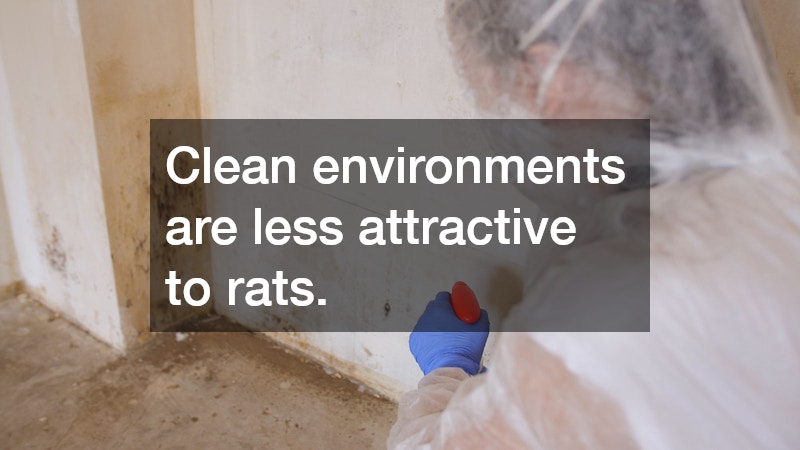
Clean environments are less attractive to rats. Regular cleaning schedules and community participation foster pest-free areas.
Using Natural Deterrents
Natural deterrents like peppermint oil offer eco-friendly pest control alternatives. Supporting eco-friendly measures reflects a commitment to sustainable living.
Regular Home Inspections
Regular inspections help detect and mitigate infestations early. Engaging pest services provides comprehensive assessments and safeguards homes.
Effective Rat Control Methods
Trapping Solutions
Trapping is fundamental in controlling rats. Selecting the right traps and their strategic placement are essential for success.
Baiting Strategies
Baiting uses targeted substances to eliminate rats. Pest experts ensure baiting is safe and effective, minimizing risks to non-target species.
Professional Extermination Services
Professional exterminators offer specialized knowledge and resources for thorough pest management, ensuring peace of mind and successful eradication.
Advanced Technology in Rat Control
Advances like digital monitoring enhance pest management efficiency. Local services integrate such technologies for comprehensive solutions.
Environmentally Friendly Options
Eco-friendly pest control minimizes environmental harm, using non-toxic alternatives like biological controls. This aligns pest management with ecological stewardship.
The Role of Local Pest Control Companies
Assessing the Infestation
Local pest companies perform comprehensive assessments to understand infestations and develop effective strategies, leveraging regional expertise.
Tailored Control Plans
Personalized pest strategies address community-specific challenges. Collaboration with residents enhances these plans, ensuring effective management.
Utilizing Local Knowledge
Local expertise informs pest control strategies, considering regional behaviors and conditions for optimal outcomes.
Long-term Monitoring and Prevention
Ongoing monitoring helps prevent resurgence, while prevention strategies foster communal resilience and confidence in pest management.
Community Education and Support
Education is key for effective pest control, empowering communities through workshops and active engagement to maintain pest-free environments.
Effective rat control solutions, led by local pest control companies, involve targeted strategies, community engagement, and expert knowledge. Together, these efforts foster safe and healthy environments.