
A Fresh Start for a Neglected Outdoor Space
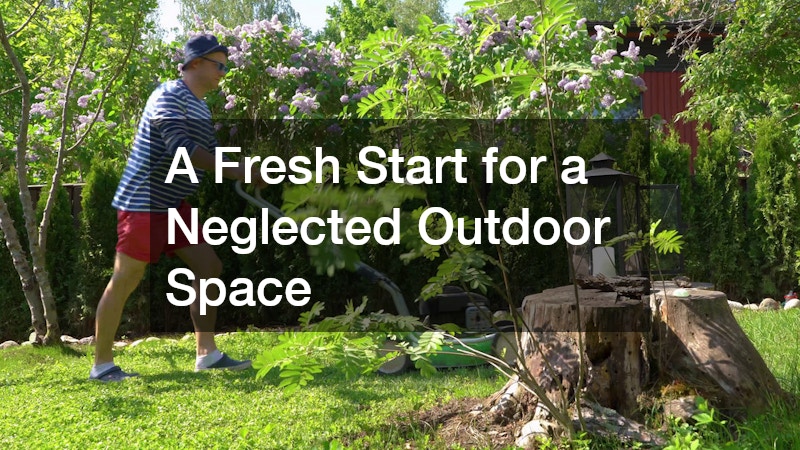
An overgrown property can make a home feel older, smaller, and less inviting than it really is. Tall weeds, crowded shrubs, messy walkways, low branches, and patchy grass can quickly take away from curb appeal and make outdoor areas harder to use. What may have started as a few missed weekends of upkeep can eventually turn into a yard that feels overwhelming to restore.
The good news is that refreshing an overgrown property does not have to happen all at once. A clear plan can help you focus on the most important improvements first, avoid wasted effort, and make steady progress. By breaking the project into manageable steps, you can create a cleaner, safer, and more attractive outdoor space without feeling like every issue needs to be fixed immediately.
The best approach is to begin with safety and visibility, then move into cleanup, trimming, lawn repair, outdoor structure, and long-term care. Each step builds on the one before it. With the right priorities, even a neglected property can become functional, beautiful, and easier to maintain.
Start by Evaluating the Entire Property
Before cutting, planting, or removing anything, walk through the property and take notes. Look at the yard from the street, driveway, front door, back patio, and side areas. This gives you a better sense of what visitors see first and which spaces affect daily use the most. Take photos from different angles so you can compare progress later and identify areas that may not be obvious during a quick walkthrough.
Focus first on safety hazards. Look for uneven ground, hidden holes, loose branches, blocked walkways, slippery surfaces, leaning shrubs, broken edging, and areas where plants are covering exterior lights or house numbers. These problems should be handled before purely cosmetic improvements because they can create risks for family members, guests, delivery drivers, or anyone working on the property.
Once safety issues are listed, separate your projects into categories. Some tasks may need immediate attention, such as clearing a walkway or cutting back branches near the roof. Other tasks can wait, such as redesigning a bed or replacing worn grass. This type of planning makes landscaping feel less stressful because you can see what needs to happen first, what can be completed over a weekend, and what may require a larger investment.
A written plan also helps prevent starting too many projects at once. Many homeowners begin by buying plants or materials before clearing the space, only to realize the yard needs drainage fixes, grading, or removal work first. Taking time to evaluate the property helps you spend money where it will make the biggest difference.
Clear Out Growth and Debris First
Once you know what needs attention, begin with basic clearing. Remove tall weeds, vines, fallen branches, dead plants, leaves, old mulch, and general debris. This step may not feel exciting, but it immediately makes the property look better and reveals hidden issues. You may discover damaged edging, uneven ground, pests, drainage problems, or plants that are healthier than they first appeared.
Work in sections rather than trying to clear the entire property in one day. Start near entrances, sidewalks, driveways, and the most visible areas from the street. These areas create the strongest first impression and often provide the fastest visual improvement. Use gloves, pruning tools, rakes, tarps, and sturdy bags to keep the process organized.
Routine yard maintenance becomes much easier once excess growth is removed. When weeds and debris are allowed to build up, they trap moisture, hide pests, block sunlight, and compete with desirable plants. Clearing the property gives healthy plants room to breathe and makes mowing, watering, and future upkeep more manageable.
As you remove debris, pay attention to the soil beneath the surface. Compacted, dry, eroded, or poorly draining ground can make it difficult for new grass and plants to thrive. If the ground is hard, uneven, or filled with roots and rocks, it may need to be loosened, amended, or leveled before you replant anything. Improving the foundation of the yard is one of the best ways to avoid repeating the same problems later.
Open Up Space With Careful Trimming
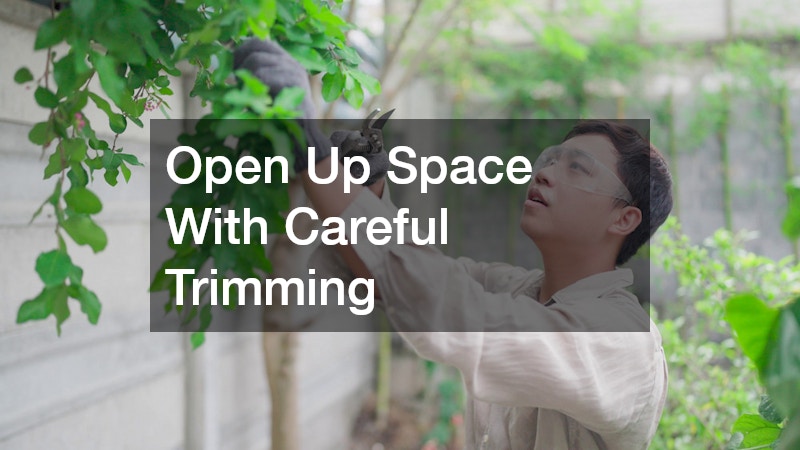
Overgrown trees and shrubs can make a property feel dark, crowded, and poorly maintained. They may block windows, cover walkways, scrape siding, hang over the roof, or limit visibility near driveways and entrances. Trimming back this growth can instantly brighten the property and make the home feel more open.
Begin with branches that create practical problems. Clear growth away from doors, porches, outdoor lights, house numbers, windows, air conditioning units, fences, and paths. This improves access and helps your home look more cared for. Avoid cutting randomly, though. Good trimming should improve shape and health, not leave plants looking bare or uneven.
For smaller shrubs, remove dead, broken, or crossing branches first. Then step back and look at the natural shape of the plant before making additional cuts. It is usually better to trim gradually than to remove too much at once. Severe cutting can weaken plants and create an unattractive appearance that takes a long time to recover.
Larger trees require more caution. Tree services may be needed if limbs are high, heavy, close to power lines, or near the roof. A professional can identify structural problems, remove dangerous branches, and help preserve the health of mature trees. If the work is limited to lighter growth, a tree trimmer may be able to restore clearance and shape without major removal.
Keeping trees and shrubs properly maintained also protects the rest of the property. Better airflow and sunlight can help lawns and planting beds recover. Clearer sightlines improve safety. Most importantly, thoughtful trimming helps the yard look intentional rather than neglected.
Remove Obstacles That Limit Use
After clearing and trimming, look for objects that prevent the yard from being useful. Old stumps, broken planters, damaged edging, unused landscape timbers, rotted furniture, and leftover construction materials can make outdoor areas feel cluttered even after the grass and plants are cleaned up.
Stumps are especially common on neglected properties. They may seem harmless at first, but they can create tripping hazards, attract insects, interfere with mowing, and take up valuable space. They can also make it difficult to create a smooth lawn, install a seating area, or redesign a planting bed.
Stump removal can be handled in different ways depending on your goals. Grinding removes the visible portion and allows the area to be covered with grass, mulch, or decorative material. Full removal takes out more of the root system and may be a better choice if you plan to build, regrade, or plant a new tree in the same area. The right option depends on the size of the stump, its location, and how you want to use the space afterward.
Once obstacles are removed, think carefully about the best use for each cleared area. A former stump location could become part of the lawn, a small garden bed, a seating nook, or a mulched area with low-maintenance plants. The goal is not simply to remove what looks bad, but to reclaim space in a way that improves the whole property.
This is also a good time to remove items that make maintenance harder. If an object is constantly in the way of mowing, watering, or walking through the yard, it may be worth relocating or eliminating. A cleaner layout often leads to easier upkeep.
Restore Worn and Patchy Lawn Areas
Once the property is cleared, the lawn may look uneven or damaged. Overgrowth often hides bare patches, thin grass, compacted ground, and weed-filled sections. Restoring these areas can make a dramatic difference because the lawn often serves as the visual foundation for the entire yard.
Start by deciding whether small repairs are enough or whether larger sections need replacement. Minor bare spots may be repaired with seed, proper watering, and improved care. Larger damaged areas may need more preparation, especially if weeds have taken over or the ground has poor drainage. If the lawn is severely worn, sod installations can provide a faster transformation and help create a finished look sooner.
Preparation is the most important step. Remove weeds, rocks, roots, and debris before adding new grass. Loosen compacted areas and level low spots so water does not collect. If the ground slopes toward the house or creates puddles after rain, address those issues before investing in new grass. Otherwise, the same problems may return.
Watering is also critical after repair work. New grass needs consistent moisture while roots become established, but too much water can cause disease or runoff. Follow a schedule based on weather, sun exposure, and the type of grass used. Avoid heavy foot traffic until the new sections are strong enough to handle regular use.
Mowing height matters as well. Cutting grass too short can stress it and encourage weeds. Keeping the lawn at a healthy height helps shade the ground, retain moisture, and support stronger roots. With steady care, worn areas can become one of the most noticeable improvements on the property.
Add Structure With Paths and Edges
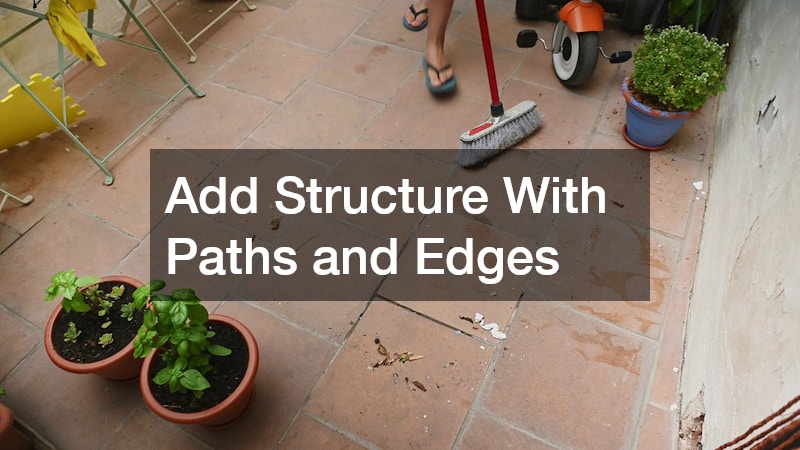
A refreshed property should not only be clean; it should also be easy to move through and understand visually. Paths, borders, and defined outdoor zones help organize the space. Without these elements, even a cleaned-up yard can still feel unfinished.
Start by identifying natural traffic patterns. Where do people already walk? Common areas include the driveway to the front door, the patio to the garden, the side gate to the backyard, or the house to a shed. Adding a defined path prevents grass from wearing down and makes the space feel more intentional.
Paver installation can be useful for walkways, small patios, garden paths, and outdoor gathering areas. Pavers come in many shapes, textures, and styles, making them flexible for both traditional and modern homes. They can also improve drainage and reduce muddy areas when installed correctly.
Borders are another simple way to make an overgrown property look more polished. Edging can separate lawn from mulch beds, walkways, trees, or seating areas. Materials may include stone, brick, metal, concrete, or natural borders. Even a basic edge can make the yard look cleaner and easier to maintain.
For more involved projects, a hardscaping service can help with patios, retaining walls, walkways, steps, and other durable outdoor features. These improvements are especially helpful on properties with slopes, erosion, heavy foot traffic, or poorly defined spaces. Solid structure gives the yard a framework, making plants and grass look more organized.
Rebuild Planting Areas With Purpose
Planting beds often become messy when they are overcrowded, neglected, or filled with plants that no longer fit the space. Refreshing these areas can add color, texture, and balance to the property, but it is important to avoid simply adding new plants on top of old problems.
Begin by removing dead, diseased, invasive, or poorly placed plants. Some plants may have outgrown their location and can be pruned or relocated. Others may need to be removed entirely. Once the bed is cleared, you can better see its shape, size, sunlight exposure, and relationship to the home.
Choose plants based on real conditions, not just appearance. Consider how much sun the area receives, how wet or dry it stays, how much space plants will need when mature, and how much care you are willing to provide. A plant that looks attractive at the garden center may become a problem if it grows too large or needs more water than the site can provide.
A local landscape company can help homeowners select plants that match the property, climate, and maintenance goals. Professional guidance can be especially helpful when redesigning front beds, foundation plantings, slopes, or areas with difficult growing conditions.
Use layers to create a balanced look. Taller shrubs can provide structure in the back, medium plants can add fullness, and groundcovers or seasonal flowers can soften edges. Mulch can help retain moisture, reduce weeds, and make the bed look finished. Proper spacing is essential. Crowding plants may look full at first, but it often leads to future overgrowth and more maintenance.
Bringing Order Back to Your Outdoor Space

Refreshing an overgrown property is one of the most rewarding home improvement projects because the results are often visible right away. Clearing debris, opening walkways, trimming back growth, repairing worn areas, and defining outdoor spaces can make the entire home feel cleaner and more welcoming.
The key is to work in the right order. Start with safety, then remove clutter and overgrowth. Restore the areas that affect daily use, address water problems, and add structure where it will make the property easier to enjoy. Once the main improvements are complete, a steady care routine will help protect your progress.
You do not need to transform the entire property in a single weekend. Focus on one section at a time and make decisions that support long-term use. With patience and planning, a neglected yard can become a comfortable, attractive extension of the home.