When you’re considering hiring a tree removal company, it’s crucial to understand the basic process of tree removal. This will help you make informed decisions and ensure that the work is carried out safely and efficiently. Tree removal can be complicated, involving many factors such as the species, health, and location of the tree.
Most companies will conduct an initial site visit to assess these factors before giving you a quote. It’s important to know that not all trees need to be completely removed; sometimes, pruning or treatment might be a better option.
One of the first questions you should ask the tree removal company is about their assessment process. Find out if they conduct a thorough site inspection and what exactly they look for when assessing a tree. This includes the tree’s structural integrity, its effect on surrounding structures, and potential hazards it may present. Also, inquire about their decision-making criteria—do they recommend removal only as a last resort or as a first-line solution? Understanding these aspects can help you gauge the professionalism and expertise of the company.
Moreover, you should ask about the company’s experience with the specific type of tree you need removed. Different species have different characteristics, and their removal might require specialized techniques or equipment. For instance, some trees have extensive root systems that could interfere with underground utilities. A knowledgeable company will have the experience to handle various tree types and can advise you on the best approach to take.
Safety Practices and Insurance
Another critical aspect to discuss with a tree removal company is their safety practices. Tree removal is inherently risky, involving the use of heavy equipment and the potential for falling branches. Knowing the company’s safety protocols, such as the use of personal protective equipment and appropriate machinery, can give you peace of mind that the job will be completed without unnecessary hazards. Reputable companies should have documented safety procedures and be willing to share them with you.
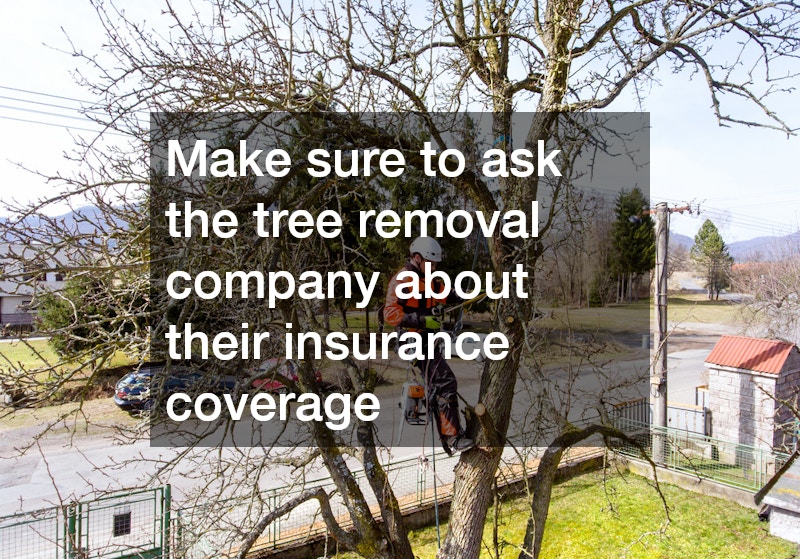
Additionally, make sure to ask the tree removal company about their insurance coverage. Accidents can happen, and without proper insurance, you could be held liable for injuries or damages. Verify that the company holds both liability insurance and workers’ compensation insurance. Liability insurance will cover any damage to your property, while workers’ compensation protects you from financial responsibility if a worker is injured on your premises.
This is also the perfect time to discuss warranties or guarantees on their work. Ask if they stand behind their services, and for how long after the project is completed. Reliable companies offer some form of guarantee as a testament to the quality of their work. Furthermore, make sure to ask about what scenarios the warranty covers and how claims are processed. A comprehensive understanding of these details can prevent future disputes and give you more confidence in their services.
Cost and Payment Information
Cost is always an important factor when hiring a tree removal company, so make sure to thoroughly discuss this with potential contractors. Ask for a detailed estimate that outlines each aspect of the removal process, including labor, equipment, and cleanup. Understanding how costs are calculated will help you set expectations and avoid unforeseen expenses. Additionally, inquire if there are any potential extra charges for specific situations, such as emergency services or working with hazardous trees.
It’s advisable to compare quotes from several tree removal companies to ensure you’re getting a fair price. However, remember that the cheapest option isn’t always the best. Look for competitive pricing balanced with high-quality service offerings. You can also ask if they offer any financing options or payment plans to help manage the costs. Investing in tree removal is a significant expenditure, and understanding payment terms can help make the process more manageable.
Also, discuss the timeline for payment and any deposit requirements. Some companies may ask for a deposit upfront, while others might require full payment upon completion. Knowing these details will help you budget accordingly and avoid any misunderstandings. Furthermore, make sure all payment agreements are documented in writing as part of your contract. This documentation ensures that all parties are on the same page and can be useful if any issues arise concerning payment.