Hiring a landscaping contractor can be an exciting step towards transforming your outdoor space into a beautiful and functional landscape. However, to ensure a smooth process and satisfactory results, it’s important to communicate effectively with your contractor. Here are some critical questions and considerations to guide you when engaging with a landscaping professional.
Understand Their Experience and Expertise
When considering a landscaping contractor, delve into their background and experience. Ask them about the number of years they have been in business and inquire about their specific areas of expertise within landscaping. Knowing the contractor’s track record and capabilities can give you confidence in their ability to tackle your project. You may also request to see a portfolio of their past work to visually assess their style and quality of craftsmanship. An experienced contractor can often anticipate potential challenges, ensuring a smoother project execution.
In addition to experience, it’s crucial to understand a contractor’s range of services. Some landscaping contractors focus solely on maintenance, while others may offer design and full installation services. Clarifying this at the outset will help you determine if they can meet all your landscaping needs or if additional specialists are required. Their ability to provide comprehensive services might streamline the process, saving both time and money in the long run.
Moreover, a discussion about their accreditations and memberships in professional organizations can also be revealing. Affiliations with nationally recognized landscaping associations can indicate a commitment to industry standards and continuous learning. This can assure you that the contractor is not only skilled but also continually updating their knowledge with the latest trends and ecological practices. These professional credentials can be pivotal in choosing the right partner for your landscaping needs.
Discuss Project Timeline and Management
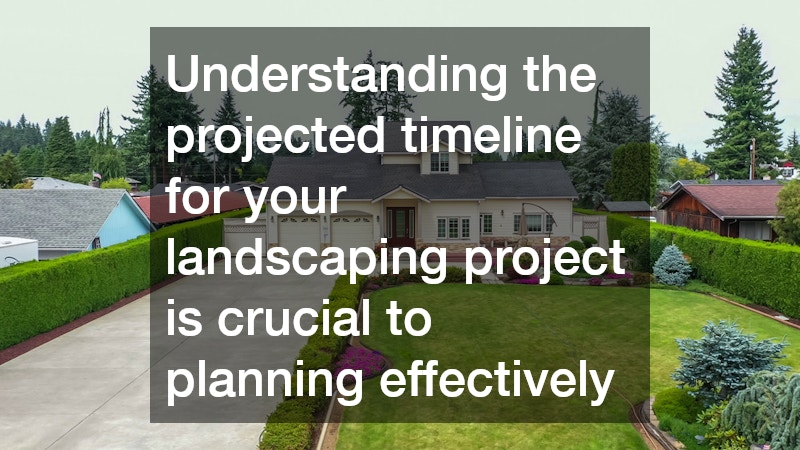
Understanding the projected timeline for your landscaping project is crucial to planning effectively. Therefore, asking your contractor how long the project will take and what factors might cause delays can prevent future misunderstandings. A good contractor should provide a detailed timeline, clearly outlining what tasks will be completed and when. Knowing this up front allows you to arrange your schedule and avoid disruptions in your daily life. Bear in mind that external factors, like weather conditions, might influence the schedule slightly, which is a common challenge in outdoor projects.
Project management is another component that greatly affects the success of your landscaping venture. Your conversation with the contractor should clarify who will supervise the project and who your point of contact will be for any questions or concerns. A dedicated project manager ensures consistency and keeps the lines of communication open. This role typically entails coordinating the different stages of work, timelines, and the people involved, all of which are essential for maintaining project flow and addressing unexpected issues.
Finally, discuss how frequently you’ll receive updates about the project’s progress. Regular communication, whether through weekly meetings or progress reports, enables you to stay informed about what’s happening on-site. This transparency not only keeps the project moving forward seamlessly but also builds trust between you and the contractor. In business terms, effective communication addresses small issues before they evolve into significant challenges, aligning both parties towards a successful project completion.
Clarify Costs and Payment Terms
One of the most critical discussions with any landscaping contractor is related to cost. Request a detailed estimate that includes a breakdown of all potential expenses, such as materials, labor, and any additional costs that could arise. By doing this, you gain a clear understanding of the financial commitment and can avoid the common issue of unexpected charges. Being upfront about your budget from the start can also guide the contractor in designing a project that aligns with your financial expectations.
It’s also essential to discuss payment terms and structures openly. Determine whether a deposit is required and the percentage of it in relation to the total cost. Clarifying how and when payments will be made throughout the project provides peace of mind and assists you in planning your financial outlays. A reputable contractor will be transparent about payment terms and accommodate a mutually agreeable plan that meets both parties’ requirements.
Furthermore, ask about any warranties or guarantees associated with their work. A contractor’s willingness to stand by their finished project indicates credibility and customer focus. Understanding the terms of any warranties, such as their duration and what they cover, is another vital part of contract negotiations. This protection ensures that should something go wrong post-completion, you are covered and your investment in your outdoor space is safeguarded.
Explore Design Ideas and Materials
Exploring design ideas with your contractor is where creativity comes into play. Engage in a lively discussion about different styles, themes, and materials that interest you. A skilled contractor will listen to your ideas and offer professional advice, suggesting enhancements and guiding you on feasibility. The collaboration of ideas is often where the most innovative solutions emerge, leading to a personalized design that perfectly fits your vision and lifestyle.
Consider the materials that will be used in your landscape project. Inquire about the quality, sustainability, and maintenance requirements of the materials recommended by the contractor. Well-chosen materials can greatly influence the durability and aesthetic appeal of your landscape. Additionally, opting for environmentally friendly materials might increase the property’s value and aid in creating a sustainable ecosystem in your backyard.
Finally, use this opportunity to discuss plant selections, their placement, and overall landscape layout. A knowledgeable contractor can provide insights into plants that thrive in your local climate, considering factors such as sunlight, soil type, and drought resistance. A thoughtfully designed landscape that considers these elements not only boosts your home’s curb appeal but also reduces long-term maintenance efforts. An effective dialogue around design choices helps create a cohesive and practical outdoor environment.