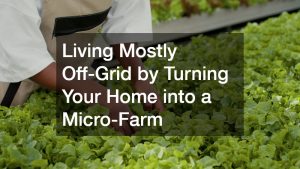
The dream of self-sufficiency is no longer reserved for those heading deep into the wilderness with a pack of seeds and a hand saw. Today, a growing movement of homeowners is embracing the concept of being mostly off-grid right where they are. This shift is fueled by a convergence of modern pressures: utility costs that seem to climb every quarter, global food supply chain insecurities, and the increasing unpredictability of extreme weather events. People are beginning to realize that the traditional suburban model—total reliance on centralized systems—is a point of vulnerability rather than a convenience.
Rethink Your Energy First: Power Is the Foundation of Off-Grid Living
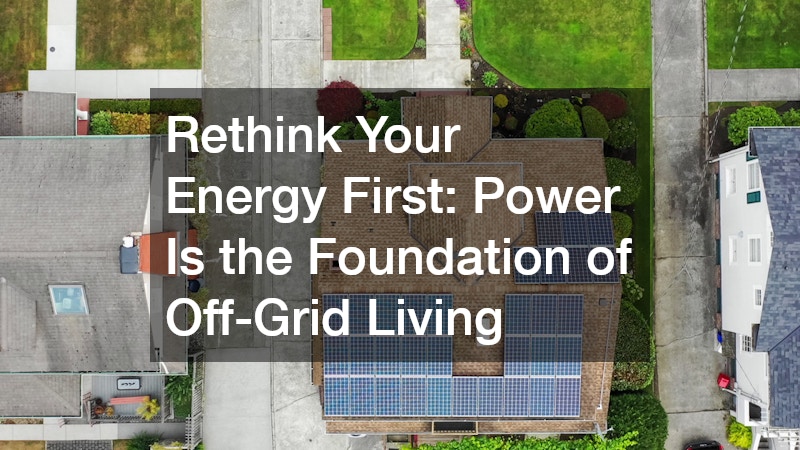
The first pillar of any micro-farm is energy. Without a reliable way to generate and store your own power, you remain tethered to a fragile infrastructure. Transitioning to a decentralized energy model allows you to run your well pumps, refrigeration units, and greenhouse heaters regardless of what is happening with the local utility provider.
Energy independence begins with a shift in how you view your roof and yard. When you decide to buy solar, you are essentially pre-purchasing twenty-five years of electricity at a fixed rate, insulated from inflation. Modern photovoltaic systems are more efficient than ever, capable of generating significant wattage even on overcast days. For the micro-farmer, this energy does more than just keep the lights on; it powers the automated irrigation systems and ventilation fans that keep crops alive. Framing this as a long-term investment helps homeowners move past the initial sticker shock, as the return on investment manifests in both monthly savings and increased property resilience.
Navigating the technical landscape of renewable energy requires a partnership with experienced professionals. Choosing between various solar companies is a critical step that dictates the long-term success of your energy plant. You should prioritize installers who offer comprehensive site assessments to account for specific microclimates and potential shading issues on your land. National brands often provide competitive financing, but local installers frequently offer better post-installation support and a deeper understanding of regional permitting requirements. Always verify warranties on both the panels and the inverters, as these components are the literal heart of your off-grid aspirations.
Make Your Home Ready for an EV and Backup Power Simultaneously
As you build out your energy production, the focus naturally shifts to storage and consumption. A micro-farm requires a vehicle that can haul supplies and handle rugged tasks, and an electric vehicle (EV) powered by your own solar array represents the ultimate loop of self-sufficiency. This eliminates the need to rely on gas stations, which can be prone to shortages during emergencies.
Integrating transportation into your home energy ecosystem starts with a professional EV charger installation. By coordinating this setup with your solar inverter, you can program your vehicle to charge during peak production hours, effectively using the car’s battery as an extension of your home’s energy storage. An electrician can help you determine if your current electrical panel can handle the load or if a sub-panel is necessary to prioritize essential farm circuits. Having a dedicated high-speed charging port ensures that your farm vehicle is always ready for a run to the supply store or for hauling compost across the property.
However, solar energy is inherently intermittent. To achieve true peace of mind, a secondary layer of energy security is required. This is where whole-home generators play a vital role. While solar plus battery storage can handle daily needs, a standby generator acts as the ultimate fail-safe during prolonged periods of heavy snow or consecutive cloudy weeks. These units can be integrated into your existing fuel supply, such as propane tanks used for heating, and will kick on automatically if your battery levels drop below a critical threshold. This dual-system approach ensures that your food preservation systems—like deep freezers full of summer harvests—never lose power.
Keep Your Backup Systems Running When You Need Them Most

Infrastructure is only as good as its maintenance. In a mostly off-grid setup, the homeowner takes on the role of the utility manager. This means being proactive rather than reactive when it comes to the mechanical systems that keep the micro-farm functioning. A failure in a backup system during a crisis is more than an inconvenience; it can lead to the loss of a season’s worth of stored food.
The mechanical heart of your backup plan requires a disciplined schedule of care. Regular oil changes, spark plug replacements, and battery checks are essential, but some tasks require a specialist’s eye. Scheduling a professional generator repair at the first sign of an irregular vibration or a slow start can prevent a total engine seizure when the grid actually goes down. Experts can also perform load bank testing to ensure the unit can handle the full draw of your home’s essential circuits. Treating your generator with the same respect you give your farm tractor ensures it will be ready to perform when the sky turns gray.
Your energy production is also deeply tied to the structural integrity of your home. Before you even think about mounting glass panels to your roof, you must ensure the surface underneath is capable of lasting as long as the solar hardware. Hiring a reputable roofing contractor to inspect and reinforce your roof is a mandatory first step. They can identify soft spots or aging shingles that might fail ten years into your twenty-five-year solar lifespan. Addressing these issues early prevents the massive expense of having to uninstall and reinstall a solar array just to fix a leak, keeping your micro-farm dry and your energy production consistent.
Grow More Food at Home by Using Every Inch of Your Property
Sunlight is the primary currency of the farm. If your property is surrounded by dense, unmanaged foliage, your garden beds and the surfaces where you intend to buy solar panel equipment will underperform. Properly managing the light that hits your land is the first step toward a high-yield environment, ensuring that your energy production and crop growth are not hindered by neglected overgrowth.
Beyond the soil, the structures attached to your home can be modified to assist in food production. A specialized awning company can provide solutions that go far beyond simple patio shade. Retractable or fixed awnings can be used to create micro-climates, protecting sensitive greens from the scorching afternoon sun or extending the growing season into the late fall by trapping ground heat. These structures can also serve as frames for vertical climbing plants like beans or hops, effectively doubling your growing surface area by utilizing the vertical plane of your home’s exterior.
Build a Micro-Farm System That Actually Produces Year-Round
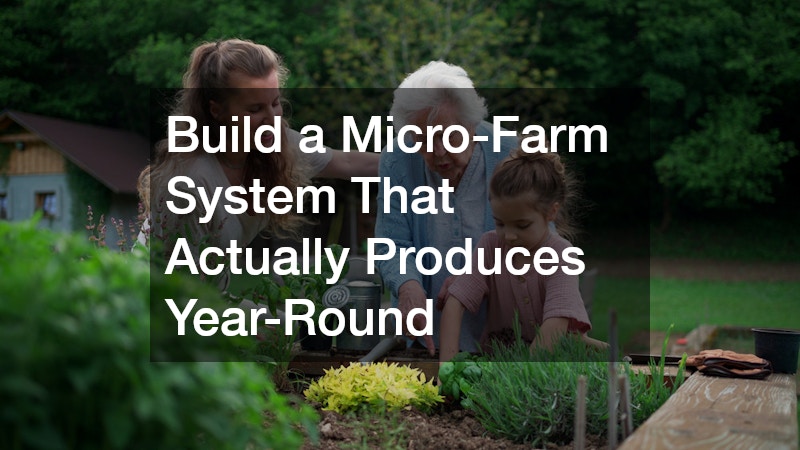
Designing a micro-farm requires a departure from the “row crop” mentality of industrial agriculture. To be successful on a smaller scale, you must use layered production techniques that maximize yield while minimizing labor. This section focuses on the practical application of diverse farming methods, including:
- Raised Beds: These offer superior drainage and allow you to control the soil quality perfectly.
- Vertical Gardening: Use trellises and tower gardens for vining crops like cucumbers and tomatoes.
- Container Gardening: Ideal for herbs and peppers that can be moved indoors during frost.
- Small Livestock: A modest coop of chickens can provide protein and high-quality fertilizer.
Managing the vertical space above these systems is just as important as the soil itself. Engaging local tree trimming services can help you create a “sun map” for your property to ensure your beds receive maximum exposure. A professional arborist can selectively thin the canopy to allow dappled light to reach understory crops or remove hazardous limbs that threaten your infrastructure. This process balances the need for shade and privacy with the requirement for solar gain, while keeping trees healthy and resistant to high winds.
Sustainability is about circularity, where your kitchen waste should never enter a trash can. By establishing a robust composting system, you turn vegetable scraps and yard waste into “black gold” that feeds your soil. This reduces your need for store-bought fertilizers and improves the water-retention capabilities of your garden. Furthermore, water harvesting is non-negotiable; installing rain barrels allows you to capture thousands of gallons of water from your roof to be gravity-fed into a drip irrigation system.
Growing food is only half the battle; the other half is keeping it. To reduce grocery store dependency, you must master the art of the “pantry lifestyle” through various preservation methods. High-acid foods like tomatoes and pickles can be water-bath canned, while low-acid vegetables and meats require a pressure canner. Dehydrating preserves herbs and fruits for nutrient-dense snacks, while fermenting adds probiotics to your diet with zero electricity. If you have a cool, dark basement or a dedicated underground space, root crops like potatoes and carrots can stay fresh for months.
Protect Your Investment With the Right Coverage and Inspections
As you add complex systems to your property—solar arrays, battery banks, and livestock structures—your risk profile changes. Transitioning to a micro-farm means you are moving away from being a passive consumer and toward being an active producer. This shift must be reflected in how you protect your assets and your family.
Your financial safety net needs to evolve alongside your property. It is vital to contact your home insurance provider to discuss the new additions to your estate. Many standard policies require riders for expensive solar installations or specialized equipment like high-capacity EV chargers. If you fail to disclose these upgrades, you might find yourself underinsured in the event of a fire or a natural disaster. Furthermore, some insurers offer specific discounts for homes that are more resilient to power outages, so being transparent about your off-grid capabilities can sometimes lead to better rates.
In addition to energy and food, heating is a primary concern for the off-grid enthusiast. If you have integrated a wood-burning stove to reduce your reliance on electric or gas heat, maintenance becomes a matter of life and safety. Annual chimney inspections are the only way to ensure that creosote buildup doesn’t lead to a dangerous flue fire. These inspections are often a prerequisite for insurance coverage for homes with secondary heat sources. A professional sweep will not only clean the system but also check for structural cracks that could allow carbon monoxide to seep into your living spaces.
Create Outdoor Living Spaces That Double as Functional Farm Infrastructure
A well-designed food forest can replace a traditional lawn, providing fruit, nuts, and berries with significantly less maintenance than a grass monoculture. By planting in layers, you can have a canopy of fruit trees, a shrub layer of berries, and a ground cover of edible herbs. This creates a cooling effect for your home, reducing the energy needed for air conditioning. Additionally, incorporating pollinator zones filled with native flowers ensures that your vegetable crops are properly fertilized by local bees and butterflies.
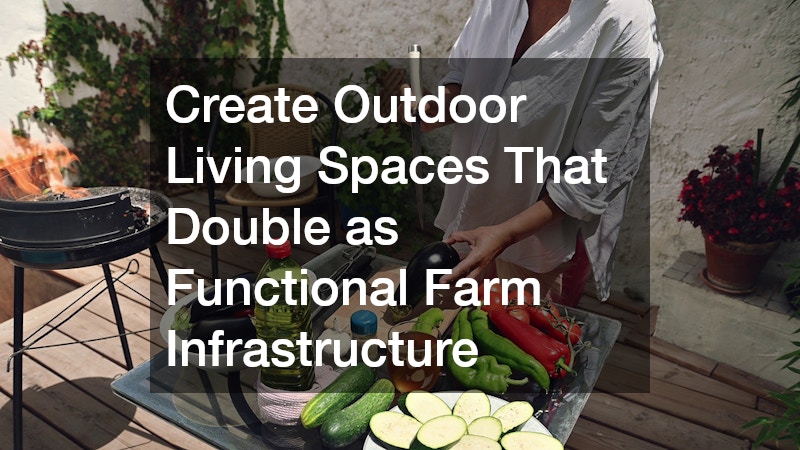
Outdoor kitchens can also play a major role in the off-grid lifestyle. By moving heavy cooking tasks—like canning large batches of tomato sauce or grilling—to an outdoor area, you keep the heat out of your main living space during the summer. This reduces the load on your cooling systems and makes the processing of your harvest a social, enjoyable activity rather than a kitchen chore. When you design your property with an intentional layout, you reduce the distance you have to carry heavy bags of soil or baskets of produce, making the farm-to-table journey just a few short steps.
Building a Resilient Future
Transitioning to a mostly off-grid micro-farm is a journey defined by a series of deliberate, stackable decisions. It is rarely the result of a single, dramatic weekend project. Instead, it is the result of layering systems over time—starting with energy, moving into food production, and reinforcing the entire structure with proper maintenance and protection. Each upgrade you make compounds the value of the others. Solar power feeds the pumps that water the garden; the garden provides the waste that feeds the compost; the compost builds the soil that produces the food that keeps your family nourished.
If you are ready to begin, start with a single system. Look at your energy bills, evaluate your backyard’s sun exposure, and consider which part of your life feels most vulnerable to external disruption. Consult with local specialists in each category—whether they are energy experts, structural contractors, or agricultural advisors—to get accurate quotes and timelines for your specific property. The path to self-sufficiency is a marathon, not a sprint, but every step you take brings you closer to a home that provides for you as much as you provide for it.