
When preparing a property for sale, many owners focus on interior updates while underestimating the impact of the exterior conditions. Yet for most buyers, the outdoor environment shapes first impressions long before they step inside. A neglected yard, aging trees, or visible maintenance issues can create hesitation that no amount of interior staging can fully overcome. Conversely, a well-maintained exterior signals care, quality, and long-term value.
Outdoor preparation also plays a practical role. Buyers often scrutinize exterior features closely because they are costly to repair and difficult to change after purchase. Addressing visible concerns in advance reduces negotiation pressure, prevents inspection surprises, and helps your listing stand out in competitive markets.
The following ten outdoor care tips provide a comprehensive framework for improving curb appeal, reducing risk, and positioning your property as move-in ready. Each section focuses on actionable steps that can be completed before listing to strengthen buyer confidence and maximize perceived value.
1. Evaluate Tree Health and Manage Overgrowth Early
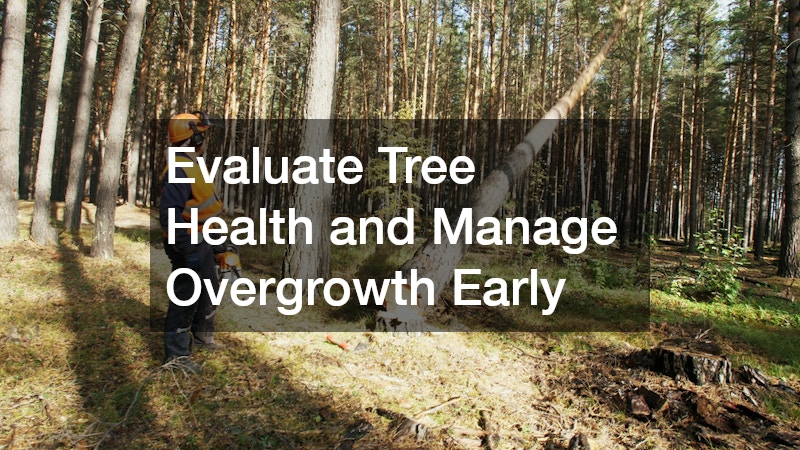
Mature trees can be one of a property’s greatest assets or one of its biggest liabilities. Buyers tend to notice trees immediately, particularly those close to structures, walkways, or neighboring properties. Overgrown or unhealthy trees raise concerns about safety, storm damage, and long-term maintenance costs.
A thorough evaluation should happen well before listing, as corrective work can take time and may require scheduling professionals.
-
Inspect trees for dead branches, leaning trunks, exposed roots, or signs of disease
-
Remove limbs that hang over roofs, fences, or power lines
-
Thin dense canopies to allow more natural light and improve sightlines
-
Consult arborists when trees show signs of instability or advanced decay
Professional input is especially valuable for older trees. Arborists can identify issues that are not obvious to the untrained eye and recommend pruning or removal that aligns with local regulations. Addressing these concerns proactively helps prevent buyers from assuming worst-case scenarios during inspections and negotiations.
2. Remove Outdoor Clutter and Restore Visual Order
Clutter is one of the fastest ways to undermine curb appeal. Even well-maintained properties with regular trash pickup can feel chaotic or neglected if outdoor spaces are crowded with unused items, broken furniture, or construction debris. Buyers often interpret clutter as a sign of deferred maintenance, limited storage, or unresolved projects that may require additional time and money after purchase.
Begin by identifying areas that naturally collect excess materials, such as side yards, behind sheds, along fences, and near utility areas. These zones are frequently visible during walk-throughs and in listing photos, even if they are not part of the main yard. Items that seem minor to a homeowner can appear overwhelming to a buyer encountering the property for the first time.
Maintaining cleanliness throughout the listing period will help significantly, especially as showings increase. However, larger cleanouts often require more efficient solutions. A short-term dumpster rental allows for the removal of bulky items, old fencing, damaged outdoor furniture, and accumulated debris in a single effort. Completing this step early creates a clean baseline that is easier to maintain over time.
Once clutter is removed, take time to reassess how outdoor spaces are used. Open areas feel larger, more intentional, and easier to visualize. The ultimate goal is to create clean, organized environments that highlight the property’s features rather than competing with them.
3. Improve Yard Presentation Through Strategic Plant Care
A tidy, well-balanced yard signals pride of ownership and helps buyers envision how they might use the space. Exterior plant care is often interpreted as a reflection of how the entire property has been maintained. While buyers may not consciously analyze every detail, they quickly notice when a yard feels orderly, healthy, and cohesive. Yard improvements should be intentional, consistent, and aligned with buyer expectations.
Simple landscaping maintenance tasks can dramatically elevate presentation:
-
Edge lawns and walkways to create crisp, defined lines that visually separate grass, beds, and hard surfaces
-
Trim shrubs and hedges to reveal windows, siding, and architectural details rather than obscuring them
-
Replace dead or thinning plants with low-maintenance options that hold their shape and color
-
Refresh mulch to improve color contrast, retain moisture, and reduce visible weeds
Beyond individual tasks, it is important to think about balance and proportion. Overgrown plants can make a yard feel smaller, while sparse beds may appear unfinished. Aim for plant spacing that allows room for growth without crowding. Consistency in plant height and color helps create a calm, cohesive look that photographs well and appeals to a broad range of buyers.
4. Repair Walkways, Patios, and Other Hardscape Features
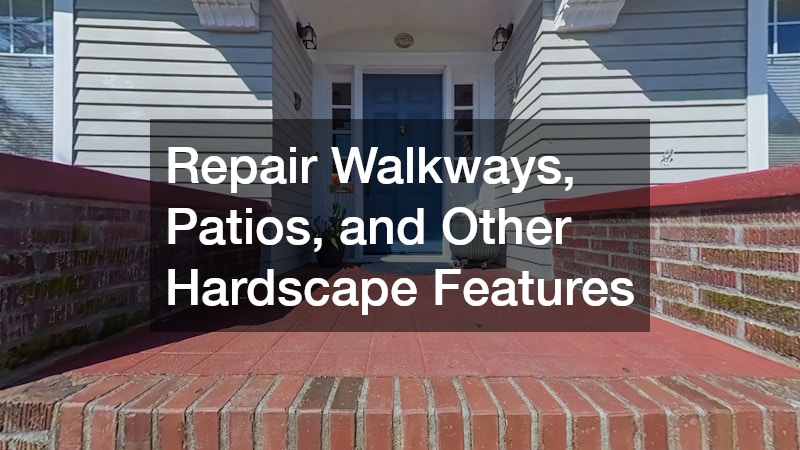
Hardscape elements play a dual role: they influence aesthetics and signal safety. Cracked walkways, uneven steps, or deteriorating patios can raise immediate concerns about liability and future repair costs. Because buyers physically interact with these surfaces as they approach the home, even minor defects tend to feel more significant than cosmetic issues elsewhere on the property.
Begin with a detailed inspection of all exterior surfaces, including walkways, driveways, patios, steps, and retaining walls. Look for trip hazards, loose pavers, crumbling edges, or drainage problems that cause water to pool after rain. These issues can suggest structural neglect if left unaddressed. Small repairs, such as filling cracks, leveling uneven sections, or resetting stones, often deliver a strong return by improving both appearance and usability.
Power washing is another highly effective step. Over time, dirt, algae, and staining can make hard surfaces appear older and more worn than they actually are. A thorough cleaning can restore original color and texture, instantly brightening outdoor spaces. It also helps buyers see the true condition of materials rather than assuming replacement will be necessary.
Taking care of hardscape issues before listing reduces inspection objections, minimizes negotiation leverage, and demonstrates a level of attention to detail that buyers associate with responsible ownership.
5. Confirm Outdoor Water Systems Are Working Properly
Water-related issues are among the most common concerns raised during inspections. Buyers want assurance that irrigation systems, outdoor spigots, and drainage features are reliable and free of hidden problems.
-
Test all exterior faucets and irrigation zones for leaks or low pressure
-
Inspect drainage paths to ensure water moves away from structures
-
Check for signs of corrosion, standing water, or inconsistent flow
-
Schedule well pump repairs if the water supply is inconsistent or noisy
Water problems often feel intimidating to buyers because they can be expensive and disruptive to resolve. Addressing them in advance eliminates uncertainty and prevents delays during escrow. Providing service records or repair documentation further strengthens buyer confidence and supports a smoother transaction.
6. Prepare Open Land and Larger Yards for Broad Appeal
7. Resolve Animal Activity and Prevent Recurrence
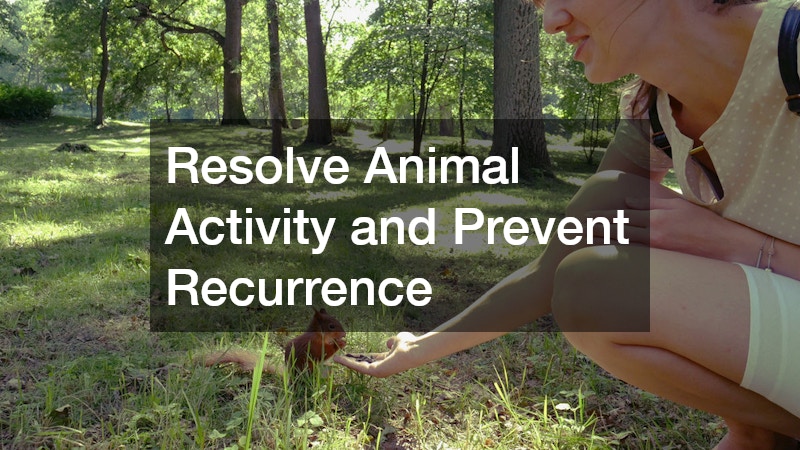
Signs of animal activity can quickly derail buyer interest and create hesitation about the overall condition of a property. Scratching noises, damaged siding, droppings, or visible nests often raise concerns about safety, sanitation, and the potential for ongoing maintenance problems. Even minor issues can feel magnified during showings, particularly when buyers are already evaluating risk and future expenses.
-
Inspect attics, crawl spaces, garages, and exterior walls for entry points such as gaps, cracks, or loose materials
-
Repair damaged vents, soffits, roof edges, or fencing promptly to eliminate access and prevent further damage
-
Remove food sources that attract animals, including unsecured trash, fallen bird seed, or pet food stored outdoors
-
Use professional wildlife removal when activity is persistent, difficult to identify, or subject to local regulations
Taking a methodical approach helps ensure that animal-related problems are fully resolved rather than temporarily masked. Early intervention allows time for necessary repairs, deodorization, and structural sealing before the property goes on the market. Preventive measures are just as important as removal itself. Buyers want reassurance that the issue has been addressed comprehensively and that safeguards are in place to prevent recurrence after purchase.
8. Review Outdoor Structures and Modifications for Clarity
9. Improve Lighting, Fencing, and Exterior Safety Signals
Subtle safety upgrades play a meaningful role in shaping buyer perception, especially during evening showings or when buyers first encounter the property through listing photos. A well-lit exterior creates an immediate sense of warmth and security, while sturdy, intact fencing reinforces privacy, clear boundaries, and overall order. These visual cues often influence how confident buyers feel before they ever step inside.
-
Replace broken or outdated exterior light fixtures to ensure consistent illumination and a modern appearance
-
Ensure pathways and entrances are well illuminated to reduce tripping hazards and improve nighttime visibility
-
Repair leaning or damaged fencing to restore structural integrity and visual appeal
-
Highlight maintenance practices that reflect consistent property management and long-term care
These improvements do not need to be elaborate or costly. The objective is to demonstrate responsible ownership and thoughtful attention to safety. Buyers frequently associate visible upkeep with fewer hidden issues, which can strengthen buyer confidence and support smoother negotiations and inspection results.
10. Account for Nearby Development and Surroundings

A property does not exist in isolation, and buyers inevitably evaluate the surrounding area. Nearby construction or development can influence perception, both positively and negatively. Understanding this context allows you to position your property effectively.
If new apartments or commercial buildings are nearby, assess how they affect noise, traffic, and views. Strategic fencing, plantings, or layout adjustments can help mitigate concerns. At the same time, proximity to new development can also signal neighborhood growth and increased amenities.
Framing the property within its broader environment helps buyers understand long-term value. Thoughtful preparation ensures that external factors do not overshadow the strengths of the home itself.
Preparing the exterior of your property for sale is both a strategic and practical investment. Outdoor spaces shape first impressions, influence buyer confidence, and often determine how smoothly a transaction progresses. By addressing maintenance issues, improving visual appeal, and resolving potential concerns in advance, sellers position their properties as well-cared-for and move-in ready.
These ten outdoor care strategies provide a structured approach to preparation that reduces uncertainty and maximizes appeal. With careful planning and attention to detail, exterior improvements can support stronger offers, shorter time on the market, and a more confident selling experience overall.